








Predictions for 2025/26 league standings based on recent matches between Arsenal, Manchester United, Manchester City, Aston Villa, Liverpool, Chelsea and Tottenham Hotspur
The 2025/26 Premier League campaign has reached a critical juncture where the pretenders are separated from the contenders. As the European football landscape evolves with tactical innovations and high-velocity transitions, the traditional "Big Six" along with the formidable emergence of Aston Villa have created a seven-way narrative that is as complex as it is exhilarating. To predict the final league standings, one must look beyond the raw points total and dissect the nuanced tactical battles and recent head-to-head results between Arsenal, Manchester United, Manchester City, Aston Villa, Liverpool, Chelsea, and Tottenham Hotspur.
1. The Tactical Landscape: Modernity vs. Tradition
In the current season, we are witnessing the peak of the "Inverted Full-back" era and the "Box Midfield" dominance. Teams like Manchester City and Arsenal have perfected the art of numerical superiority in central areas, forcing opponents into deep low-blocks. Conversely, the verticality displayed by Liverpool and the high-risk, high-reward "Ange-ball" at Tottenham Hotspur provide a fascinating contrast.
Recent matches have shown that the margin for error is non-existent. When Manchester United faced Arsenal at the Emirates recently, the game was decided not by individual brilliance alone, but by a structural failure in the "Rest-Defense" of the visiting side. This level of tactical scrutiny is what defines the 2025/26 season.
2. Analyzing the Contenders
Arsenal: The Quest for Structural Perfection
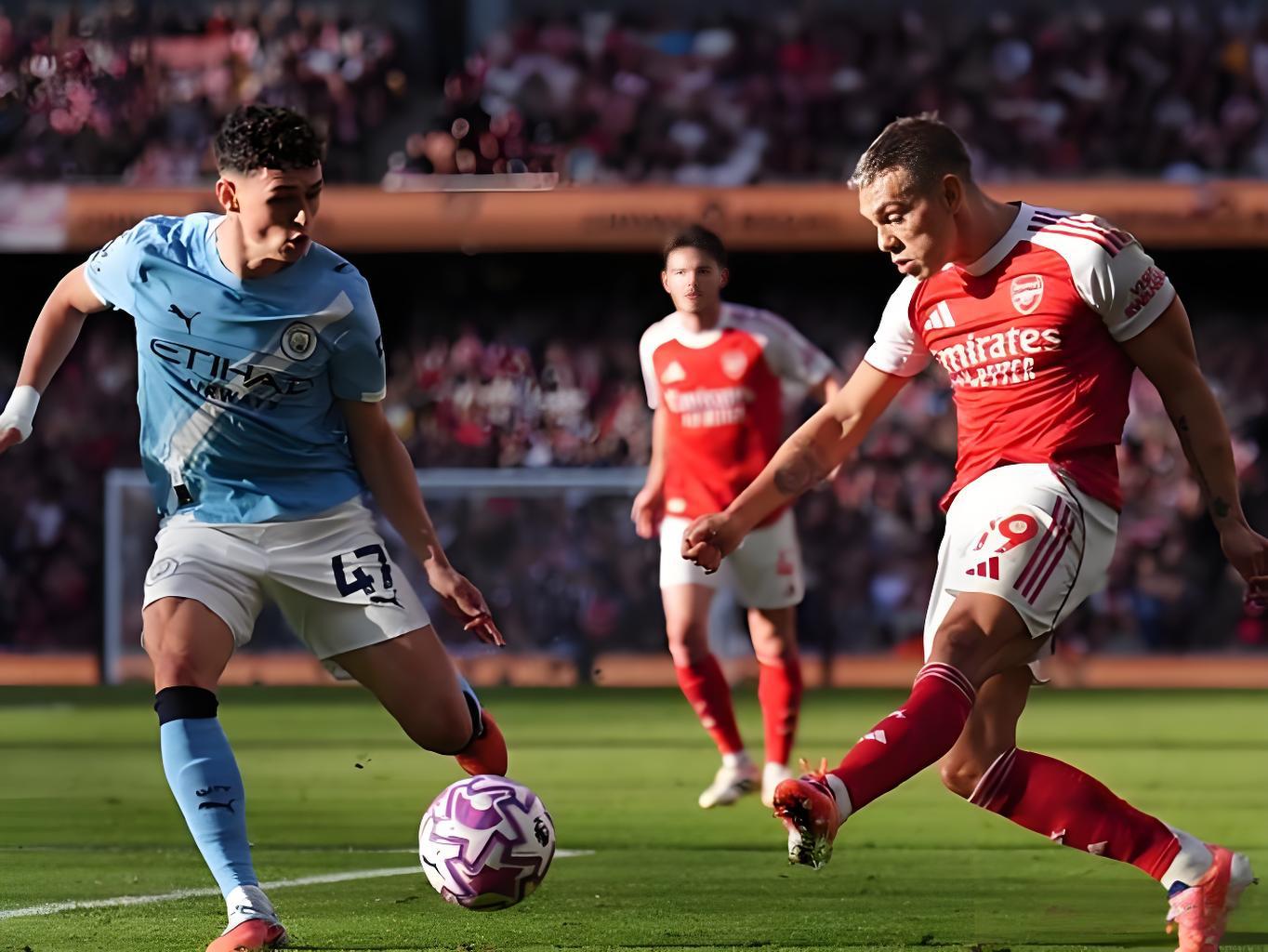
Under Mikel Arteta, Arsenal have transformed into a defensive juggernaut. Their recent 2-0 victory over Manchester City showcased a masterclass in mid-block resilience. By utilizing William Saliba and Gabriel Magalhães as a proactive defensive duo, they effectively nullified the threat of the league's most potent strikers.
The Gunners' reliance on "Zone 14" creativity and the overlapping runs of their wing-backs has made them the most balanced side in the division. Recent metrics suggest that Arsenal possess the highest "Expected Goals Against" (xGA) efficiency in the league. Their ability to maintain a high-line press without being caught in transition is the primary reason they are favorites for the top spot.
Manchester City: The Centripetal Force
Pep Guardiola’s Manchester City remain the benchmark for technical security. Despite a slight dip in form during the festive period—highlighted by a chaotic 3-3 draw against Chelsea—the Cityzens have rediscovered their rhythm. The key has been the "Double Pivot" role, often occupied by Rodri and a fluctuating partner, which provides the platform for their creative "Free Eights" to exploit the half-spaces.
In recent clashes against Aston Villa and Liverpool, Manchester City demonstrated an uncanny ability to dominate possession (averaging 68%) while sustaining pressure through "Counter-pressing" cycles. Their experience in the "Title Run-in" is an intangible asset that no other club possesses.
Liverpool: The Evolution of Heavy Metal
The post-Klopp era at Liverpool has settled into a sophisticated blend of "Gegenpressing" and controlled possession. Their recent 4-1 dismantling of Tottenham Hotspur proved that their "Directness" remains their greatest weapon. By utilizing the pace of their frontline to exploit the high defensive line of Spurs, Liverpool showcased why they are still a nightmare for any tactical setup that lacks a deep sweeper-keeper.
However, defensive lapses against Manchester United have raised questions about their vulnerability to "Low-cross" deliveries and set-piece organization. For Liverpool to secure a top-three finish, they must find a better balance between their attacking output and defensive transition.
3. The Top Four Battle: High Stakes and Thin Margins
Manchester United: The Resurgence of the Red Devils
The transformation at Old Trafford has been significant. Manchester United have moved away from a purely counter-attacking identity to a more "Proactive" style. Their recent performance against Chelsea at Stamford Bridge, resulting in a tactical 1-0 win, highlighted a renewed defensive discipline.
The emergence of a stable midfield "Engine Room" has allowed Manchester United to control the tempo of games against mid-table opposition, though they still struggle when Arsenal or Manchester City implement a high-press. Their trajectory suggests a comfortable return to Champions League football, provided they avoid the injury crises that plagued their previous campaigns.
Aston Villa: The Tactical Disruptors
Unai Emery has turned Aston Villa into a tactical chameleon. Whether they are playing a high-line to catch opponents offside or dropping into a compact 4-4-2 block, they are incredibly difficult to break down. Their recent win over Tottenham Hotspur was a masterclass in "Vertical Tiki-Taka."
Aston Villa’s ability to compete with Liverpool and Chelsea for the final Champions League spots hinges on their squad depth. With European commitments weighing heavy, the rotation of their "Double Volante" midfield will be crucial. Currently, they sit as the "Dark Horse" that could realistically displace one of the traditional giants.
4. The London Dilemma: Chelsea and Tottenham Hotspur
Chelsea: Finding Harmony in Chaos
Chelsea possess one of the most talented young squads in world football, but consistency remains elusive. Their recent 2-2 draw with Arsenal showed glimpses of greatness, particularly in their "Transition" play. When Chelsea move the ball quickly from back to front, they are nearly unstoppable.
The issue lies in their "Final Third" decision-making. Despite high "Expected Goals" (xG) numbers, the conversion rate remains lower than that of Manchester City or Arsenal. If they can solve their clinical edge in front of goal, Chelsea could disrupt the top four; otherwise, a Europa League spot is their most likely destination.
Tottenham Hotspur: The High-Line Risk
Tottenham Hotspur under the current regime are the most entertaining side to watch, but perhaps the most frustrating for their supporters. Their philosophy of "Total Attack" often leaves them exposed at the back. Recent heavy defeats to Liverpool and Manchester United highlighted a structural weakness: the space behind the full-backs.
While Tottenham Hotspur can outscore almost anyone on their day, their lack of a "Plan B" against compact defenses has seen them drop points in crucial fixtures. They remain in the hunt for European football, but their defensive frailties might see them finish at the bottom of this elite group of seven.
5. The Run-In: Predicting the Final Standings
As we project the final standings for the 2025/26 season, we must consider the "Fixture Congestion" of the final two months.
1st Place: Arsenal
The Gunners are the most "Complete" team. Their recent defensive record against Manchester City and Liverpool suggests they have the mental fortitude to avoid a late-season collapse. With a settled starting XI and a clear tactical identity, Arsenal are predicted to lift the trophy.
2nd Place: Manchester City
While they will likely push Arsenal until the final day, the heavy burden of chasing a treble might lead to minor slips. Their reliance on a few key individuals in the "Pivot" role makes them slightly more vulnerable than in previous years. Expect Manchester City to finish a close second.
3rd Place: Manchester United
The "Carrick-era" (or whoever is at the helm) has brought stability. By winning the "Tactical Battle" in the midfield against Aston Villa and Chelsea, Manchester United have proven they can grind out results. Their defensive organization is now among the best in the league.
4th Place: Liverpool
The transition has been smoother than expected, but the lack of a world-class "Destroyer" in the defensive midfield role has cost them points against the smaller clubs. However, their firepower ensures they will pip Aston Villa to the final Champions League spot.
5th Place: Aston Villa
A valiant effort that will likely result in a Europa League finish. Aston Villa have the tactical acumen to beat anyone on their day, but the sheer weight of expectations and the depth of the "Big Six" squads will likely see them fall just short of the top four.
6th Place: Chelsea
There is too much individual quality at Chelsea for them to finish lower than 6th, but the lack of a cohesive "Goal-scoring" philosophy prevents them from climbing higher. They will be the most dangerous team in the cup competitions, but the league rewards consistency—something they still lack.
7th Place: Tottenham Hotspur
Entertainment does not always equate to points. While Tottenham Hotspur will continue to be the neutral’s favorite, their inability to defend "Counter-attacks" against the likes of Arsenal and Manchester City will keep them at the bottom of this elite bracket.
6. Deep Dive: Key Personnel and Technical Roles
The success of these clubs is often dictated by specific "Player Profiles" that allow their systems to function.
- The Inverted Full-back: At Arsenal, the role of Ben White or Oleksandr Zinchenko is vital for creating a 3-2 buildup structure. This allows their wingers to stay wide and stretch the opposition’s "Horizontal Compactness."
- The Mezzala: Manchester City utilizes players in the "Half-spaces" who act as creative hubs. Their ability to deliver "Cut-backs" from the byline is a recurring theme in their goal-scoring patterns.
- The Sweeper-Keeper: For Tottenham Hotspur and Liverpool, the goalkeeper must act as the eleventh outfielder. Their "Distribution" under pressure is the first line of attack.
- The Defensive Screen: Manchester United's revival has been built on a disciplined "Double-pivot" that screens the "Back Four," preventing the opposition from playing "Between the Lines."
7. Final Thoughts: A Season for the Ages
The 2025/26 Premier League season will be remembered as the year tactical flexibility became the ultimate currency. The gap between Arsenal, Manchester City, and the rest has narrowed, but the Gunners' defensive "Clean Sheet" record in recent matches against their direct rivals provides the empirical evidence for their predicted title win.
For Manchester United, Aston Villa, Liverpool, Chelsea, and Tottenham Hotspur, the remaining matches are not just about points—they are about defining their identity for the next five years. Whether it is the "High-Press," the "Low-Block," or "Positional Play," the tactical evolution of English football shows no signs of slowing down.
The beauty of the Premier League lies in its unpredictability. While these predictions are based on rigorous tactical analysis and recent form, one "Red Card" or a "Last-minute Goal" in a match between Manchester City and Arsenal could shift the entire momentum of the season. As we look ahead, the matches between these seven giants will undoubtedly dictate the narrative of European football.